
Life After MCAs: How to Avoid Falling Back Into the Debt Trap
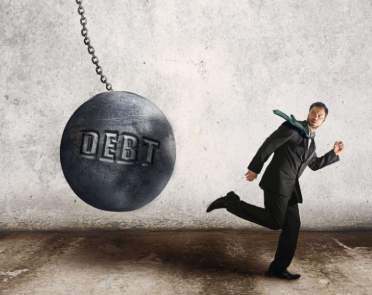
Merchant Cash Advances (MCAs) are often positioned as a lifesaver for small businesses needing quick cash. However, for many business owners, they quickly turn into a financial nightmare. Because MCAs drain daily or weekly revenue directly from your bank account, they create immediate cash flow gaps. To fill those gaps, many businesses take out a second, third, or fourth advance—a high-risk cycle known as "stacking."
If you have finally broken free from the MCA cycle, congratulations. It takes immense resilience to survive the pressure of daily remittances. But the period immediately following your last MCA payment is critical. Without a strategic shift in how you manage your finances, it is dangerously easy to fall back into the same pattern the next time cash gets tight.
Here is how to protect your business and ensure you never have to rely on an MCA again.
<u>1. Build an "MCA-Proof" Emergency Fund</u>
The primary reason business owners turn to MCAs is speed; an unexpected expense pops up, and traditional banks take too long to approve a loan. To protect yourself, you need to build your own safety net.
Now that your daily MCA withdrawals have stopped, redirect a portion of that newly recovered cash flow into a separate, interest-bearing business savings account. Aim to accumulate three to six months of core operating expenses. When you have your own capital ready to deploy for emergencies, the high-speed temptation of an MCA lender completely loses its appeal.
<u>2. Rehabilitate Your Business Credit Score</u>
MCAs do not require good credit, which is why they attract business owners who have been rejected by traditional institutions. However, avoiding MCAs in the long term means ensuring you qualify for safer, cheaper capital when you actually need it.
Take the next six to twelve months to actively repair your credit profile:
- Check your commercial credit reports (Dun & Bradstreet, Experian Business, Equifax Business) for errors.
- Pay all vendors and suppliers early or on time, as many report to business credit bureaus.
- Keep your personal credit score healthy, as most small business lenders still require a personal guarantee.
<u>3. Establish a Traditional Line of Credit Before You Need It</u>
The worst time to apply for a bank loan or a line of credit is when you are desperate for cash. Banks smell distress, and it leads to fast denials. Instead, apply for a traditional revolving line of credit when your financials look strong and your MCA debt is fully cleared.
Even if you only qualify for a small limit initially, secure it and leave it untouched. A traditional line of credit charges interest only on what you draw, carries vastly lower interest rates than an MCA, and allows for predictable monthly repayments rather than daily revenue draining.
<u>4. Overhaul Your Cash Flow Forecasting</u>
MCAs mask underlying operational issues. If your business constantly ran out of money before the end of the month, the MCA didn't fix the problem—it just delayed the consequences.
Sit down with a certified accountant or fractional CFO to build a rigorous 13-week cash flow forecast. You need to know exactly when money comes in and when it goes out. Look for ways to optimize your cash cycle:
- Can you incentivize customers to pay invoices faster (e.g., offering a 2% discount for payments within 10 days)?
- Can you negotiate longer payment terms with your own suppliers?
- Are there recurring, non-essential software subscriptions or overhead expenses you can cut?
<u>5. Block the Noise</u>
Once you take out one MCA, your information is sold to dozens of aggressive brokers. Even years after paying off an advance, your phone will ring, and your inbox will fill up with offers promising "pre-approved funding within 24 hours."
Recognize these offers for what they are: traps designed to pull you back into the cycle. Block the numbers, filter the emails to spam, and train your team to screen out financing brokers.
Final Thoughts
Surviving the MCA cycle gives your business a second lease on life. The freedom of keeping 100% of your daily credit card sales and revenue is a powerful feeling. Treat that recovered cash flow as your business's most valuable asset. By building an emergency fund, fixing your credit, and securing traditional backup funding now, you will ensure that your business remains healthy, independent, and permanently free from the MCA trap.
👉 Want to pay off Your MCA? Here’s What to Do Next. Click Here